
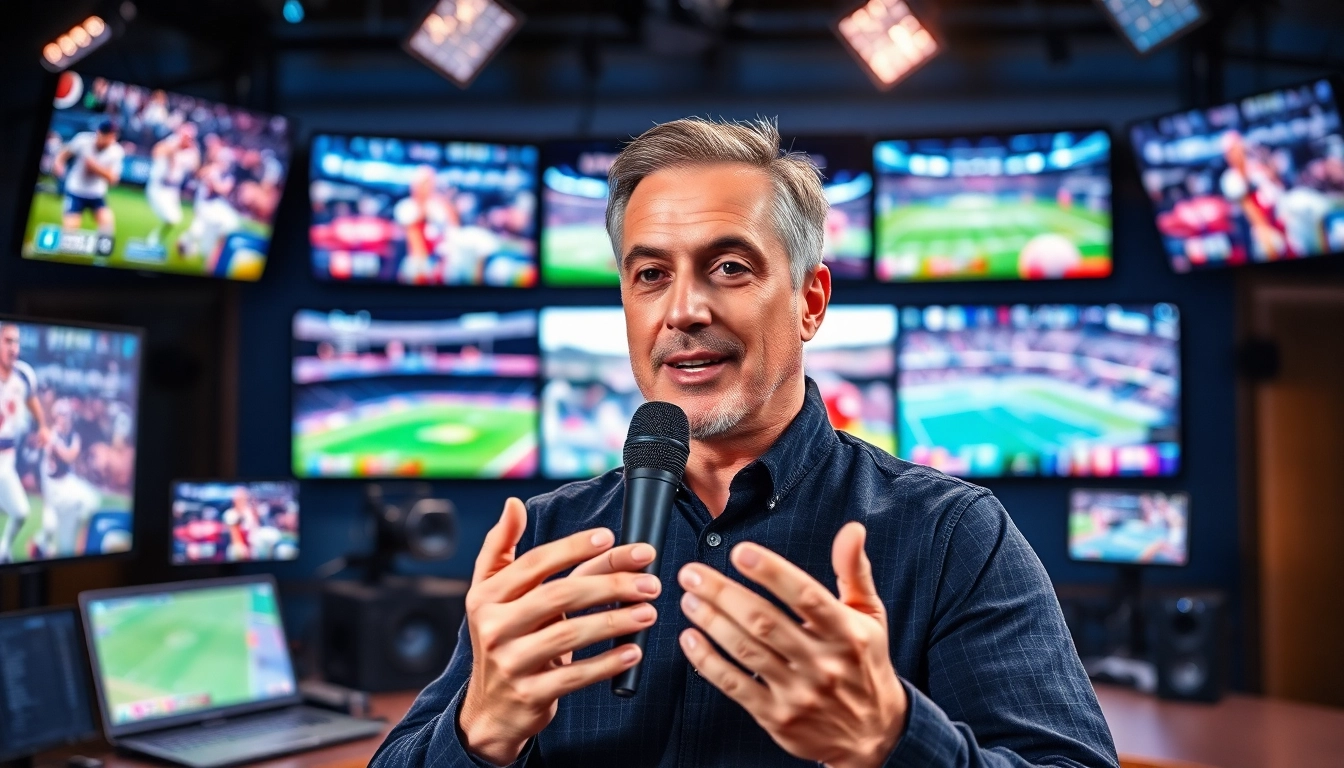
Understanding the Basics of Sports Broadcasting
What is Sports Broadcasting?
Sports Broadcasting refers to the live transmission of sports events through media channels like television, radio, and the Internet. It encompasses a wide range of formats, from local news coverage to international events reaching millions. In its essence, it transforms real-time sports action into a digestible format for fans worldwide, allowing them to experience the thrill of the game from anywhere. This unique intersection of sports and media serves not just to entertain but also to create community and camaraderie among fans. The growth of the digital landscape has further enhanced this experience, enriching the way audiences interact with their favorite sports. For those who are keen on exploring the nuances of this industry, the Sports Broadcasting sector offers a myriad of opportunities and challenges.
The Role of Technology in Broadcasting
In today’s digital age, technology significantly influences the way sports are broadcasted. From high-definition cameras capturing every detail to advanced graphics and replay systems that enhance viewer understanding, technology plays a pivotal role. Additionally, innovations such as drones provide aerial views of gameplay, while automated production tools streamline the broadcasting process. Live analytics and data visualization are increasingly integrated into broadcasts, offering viewers real-time stats and insights that enrich the viewing experience, fostering deeper engagement with the sport.
Key Figures in Sports Broadcasting
Several key figures stand out in the realm of sports broadcasting. Sports commentators are the lifeblood of this industry, translating the action on the field into compelling narratives for viewers. In addition to commentators, producers and directors play crucial roles, orchestrating broadcast elements like camera angles and graphics. Behind the scenes, engineers and technicians ensure everything runs smoothly, from sound quality to visual clarity. Recognizing the efforts of these various professionals enhances appreciation for the meticulous orchestration that goes into each broadcast.
The Evolution of Sports Broadcasting
Historical Milestones in Sports Broadcasting
The history of sports broadcasting is rich with innovations that have reshaped how audiences consume sports. Beginning with radio broadcasts in the early 20th century, sports began to penetrate homes and public spaces, paving the way for television in the 1950s, which brought sports into living rooms. Over decades, the ability to broadcast live events evolved with the introduction of cable television, expanding coverage and accessibility like never before. Each technological leap has redefined broadcasting standards, influencing subsequent generations of fans.
How Streaming Services Changed the Landscape
The advent of streaming services has revolutionized sports broadcasting, introducing more flexibility for viewers. Fans can now access games on demand and from multiple devices, whether it’s a smartphone or smart TV. This shift has led to the emergence of dedicated sports streaming platforms, allowing for a more tailored viewing experience. Leagues and teams are exploring direct-to-consumer models, which enable them to reach audiences without traditional intermediaries, thereby exerting unprecedented control over their broadcasting methods.
The Shift from Radio to Digital Platforms
With the rise of the Internet, the paradigm of sports broadcasting shifted dramatically from radio and traditional television to more diverse digital platforms. Online streaming has become a staple, driven by viewers’ desire for immediate access to sports content. Social media platforms also play a significant role, where highlights and clips circulate widely, enabling informal broadcasting and fostering discussions. This evolution not only caters to changing consumer habits but also challenges traditional broadcasters to adapt their strategies to retain viewership in an increasingly competitive landscape.
Skills Required for a Successful Career in Sports Broadcasting
Essential Communication Skills
Effective communication is fundamental in sports broadcasting. Broadcasters must articulate complex plays and strategies clearly, ensuring that audiences of varying knowledge levels can engage with the content. Strong storytelling abilities are equally important, as the best broadcasters weave narratives into their commentary, bringing the action to life and creating emotional connections with viewers. Engaging audiences requires not only clear verbal skills but also the ability to listen and respond real-time, especially during live broadcasts.
Technical Proficiency and Equipment Knowledge
Modern sports broadcasting relies heavily on a wide array of technology. Broadcasters must be familiar with various equipment, including cameras, microphones, and editing software. A good understanding of broadcasting software, switchers, and graphic design tools is also essential for delivering a professional-quality broadcast. As technology evolves, staying updated on the latest broadcasting innovations is crucial for maintaining a competitive edge in the field.
Developing a Unique Broadcasting Style
Each broadcaster brings their own style and personality to the role, which can significantly impact viewer engagement. Developing a unique voice involves finding a balance between authenticity and professionalism. Personal anecdotes and insights can enrich commentary, but they must complement the sport rather than overshadow it. Striking this balance often requires practice, feedback, and a willingness to evolve based on audience reactions and preferences.
Challenges Faced in Sports Broadcasting
Navigating Live Broadcasts and Emergency Situations
Live broadcasting presents unique challenges, including dealing with unpredictable events such as technical malfunctions, injuries, or controversial plays. Broadcasters must think on their feet, maintaining composure while delivering accurate information. Training for potential emergencies, including knowing protocols for interruptions or significant incidents, is critical for ensuring the broadcast runs as smoothly as possible. This quick decision-making capability can significantly impact viewer satisfaction and trust.
Competition and Audience Engagement
The broadcasting landscape is competitive, with numerous platforms vying for viewer attention. Engaging audiences requires not only high-quality content but also innovative delivery methods. Establishing a presence on social media and engaging with fans online can enhance viewer loyalty and interaction. Broadcasters must continuously analyze audience metrics to adapt their strategies, ensuring they remain relevant and appealing in a rapidly changing environment.
The Impact of Social Media on Broadcasting
Social media has transformed how sports are broadcasted and consumed. Platforms like Twitter, Instagram, and Facebook provide instant interaction opportunities, allowing broadcasters to connect with fans on a more personal level. Highlights and clips circulate virally, increasing visibility and stimulating conversations. However, this also means that broadcasters must be vigilant about the content they share, as social media can amplify both praise and criticism rapidly.
Future Trends in Sports Broadcasting
The Role of AI and Machine Learning in Broadcasting
Artificial intelligence (AI) and machine learning are poised to revolutionize sports broadcasting. By analyzing vast amounts of data, AI can produce insights on player performance, fan engagement, and even tailor content recommendations for individual viewers. Furthermore, AI tools can automate aspects of live editing and highlight generation, leading to faster turnaround times for content delivery. As these technologies continue to develop, they promise to enhance both the quality of broadcasts and the viewer experience.
Augmented Reality in Sports Coverage
Augmented reality (AR) is increasingly being integrated into sports broadcasts, providing audiences with immersive experiences that enhance their viewing. AR can overlay graphics onto the live feed, displaying player stats, historical data, or predictions in real-time. This interactive element not only captivates audiences but also engages them in the storytelling of the broadcast, transforming traditional viewing into an immersive experience that blurs the lines between the real and the virtual worlds.
The Rise of Personalized Content Delivery
With advancements in data analytics and consumer preferences shifting toward customization, personalized content delivery is gaining traction. Broadcasters can now curate specific content for individual fans based on their viewing habits and preferences. By leveraging data, we can offer tailored highlights, customized notifications for favorite teams, and exclusive behind-the-scenes content. This level of personalization enriches the viewer experience, fostering loyalty and deepening the emotional connection fans have with their sports.
FAQs about Sports Broadcasting
What careers are available in sports broadcasting?
Careers include sports commentator, producer, technical director, and social media manager, among others. Each role contributes uniquely, and opportunities are growing due to digital transformation.
How has technology impacted sports broadcasting?
Technology has enhanced production quality with high-definition visuals, real-time analytics, and interactive features, creating a more engaging viewing experience for audiences.
Why is audience engagement important in sports broadcasting?
Audience engagement fosters viewer loyalty and helps broadcasters understand preferences, driving content strategies and ensuring broadcasts remain relevant and appealing.
What are the key challenges in live sports broadcasting?
Challenges include technical difficulties, navigating unexpected events, and maintaining audience engagement while delivering accurate and timely information.
What trends are shaping the future of sports broadcasting?
Key trends include AI integration, augmented reality experiences, and personalized content delivery, all of which seek to enhance viewer engagement and viewing experiences.